
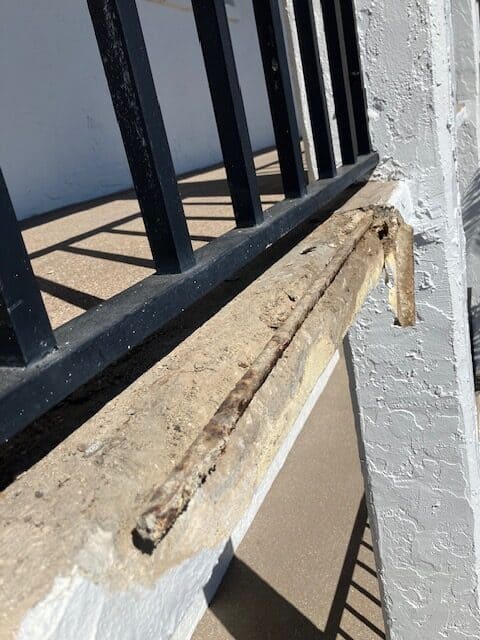
Cracks spreading across your exterior walls? Paint bubbling after heavy rain? Pieces of stucco breaking away around your windows or foundation?
What looks like a small cosmetic problem could be an early warning sign of moisture entering your exterior walls. But how do you know whether your stucco needs a simple patch or a more extensive repair?
For homeowners in Largo, Florida, heavy rainfall, humidity, and years of sun exposure can take a toll on exterior stucco. Some cracks are minor. Others may indicate moisture intrusion, deteriorating materials, or movement beneath the surface.
At Largo Stucco & Stonework, we provide professional stucco crack repair, exterior stucco patching, and restoration services for residential and commercial properties throughout Largo and surrounding Pinellas County communities.
Concerned about cracks or water damage? Call 727-291-8591 to discuss your stucco repair needs and request an estimate.
Why Is the Stucco on My Florida House Cracking?
Stucco is a durable exterior finish, but it isn’t completely resistant to movement, moisture, or aging.
Common causes of stucco cracks include:
Normal settling or movement of the building
Expansion and contraction caused by temperature changes
Improper stucco application or surface preparation
Moisture-related deterioration
Impact damage from equipment or debris
Movement or cracking in the concrete block beneath the stucco
The location and pattern of a crack often matter as much as its size.
A small, stable hairline crack may require relatively minor attention. However, a crack that continues growing, reappears after patching, or runs diagonally from a window corner deserves further investigation.
Homeowner tip: Take a dated photograph of a crack and compare it over time. If it becomes wider, longer, or develops alongside staining or loose stucco, consider scheduling a professional assessment.
Are Hairline Cracks in Exterior Stucco Normal, or Should I Worry?
Hairline cracks are common in cement-based stucco. They can develop as materials cure, age, or experience minor movement.
However, not every small crack should be ignored.
When Stucco Cracks May Be Cosmetic
Small, stable surface cracks without staining, loose material, or other visible damage may be suitable for localized maintenance.
When Stucco Cracks Need Professional Attention
Watch for:
Cracks that continue to widen or spread
Diagonal cracks near windows and doors
Cracks that repeatedly return after repairs
Multiple cracks forming noticeable patterns
Cracks accompanied by bulging or crumbling stucco
Cracks extending into the underlying concrete block
The important distinction: A crack’s width alone cannot determine whether your wall has a serious problem. Its cause, location, and surrounding conditions matter.
Can Rainwater Get Behind Cracked Stucco on a Concrete Block House?
Yes. Moisture can enter through cracks or other defects in an exterior wall system, including stucco installed over concrete block.
Many Florida homeowners assume concrete block construction eliminates the risk of water damage behind stucco. Unfortunately, that isn’t always the case.
Water may enter through cracks, deteriorated joints, gaps around windows, or other vulnerable areas.
Depending on the wall’s construction, moisture exposure may contribute to staining, coating failure, deterioration, or interior moisture problems.
Simply covering a visible crack may not resolve the underlying source of water intrusion.
If your stucco keeps cracking or developing stains after heavy rain, identifying the cause is more important than simply covering the damage.
7 Warning Signs Your Stucco May Have Water Damage
Water-damaged stucco doesn’t always look like a large hole in the wall.
Sometimes the first warning signs are changes in paint, texture, or discoloration.
1. Why Is My Stucco Turning Dark After It Rains?
Dark patches or stains that repeatedly appear after rainfall may indicate moisture exposure.
Not every dark mark means water is trapped behind the wall. Surface dirt, algae, and other conditions can also cause discoloration.
However, recurring stains around cracks, windows, or previously repaired areas deserve attention.
2. Why Is the Paint on My Stucco Bubbling or Peeling?
Bubbling, blistering, or peeling paint can result from moisture, poor adhesion, aging coatings, or improper preparation.
If paint repeatedly fails in the same location, repainting without investigating the cause may only provide a temporary improvement.
3. Why Is My Exterior Stucco Crumbling or Falling Off?
Stucco that flakes, chips, or breaks away may have deteriorated or lost its bond with the underlying surface.
When damage exposes concrete block or other wall materials, repairs should be considered before additional deterioration occurs.
4. What Does It Mean When Stucco Sounds Hollow?
A hollow sound when gently tapping a wall can sometimes indicate separation between the stucco finish and its underlying surface.
This condition, often called delamination, may require removing loose material and rebuilding the affected area rather than covering it with another thin patch.
5. Why Are There Cracks Around My Windows and Doors?
Windows and doors are common locations for stucco cracking because building materials experience movement around openings.
These areas can also be vulnerable when exterior sealants, flashing, or surrounding finishes deteriorate.
Cracks accompanied by recurring leaks or interior staining should be investigated.
6. What Is the White Powder on My Stucco Wall?
White, chalky deposits may be efflorescence.
Efflorescence occurs when moisture moves through masonry materials and carries dissolved salts to the surface.
It doesn’t automatically mean extensive damage, but recurring deposits may indicate an ongoing moisture source.
7. Can Stucco Damage Cause Water Stains Inside My House?
Exterior wall defects can sometimes contribute to moisture problems indoors.
Warning signs may include damp drywall, discolored interior paint, or musty odors near exterior walls.
However, moisture can also originate from roofing, plumbing, windows, or other sources.
Identifying the actual entry point is essential before choosing the appropriate repair.
Noticing peeling paint, recurring stains, or loose stucco? Call Largo Stucco & Stonework at 727-291-8591 to discuss an exterior stucco repair assessment.
Can Damaged Stucco Be Repaired Without Replacing the Entire Wall?
In many situations, yes.
A homeowner with a damaged section of exterior stucco may not need to replace the finish across the entire house.
The appropriate repair depends on how much material is affected and whether the underlying wall remains sound.
Localized stucco repair may involve removing loose material, preparing the exposed surface, patching damaged areas, and matching the surrounding finish.
Real Stucco Wall Repair Project in Largo, FL
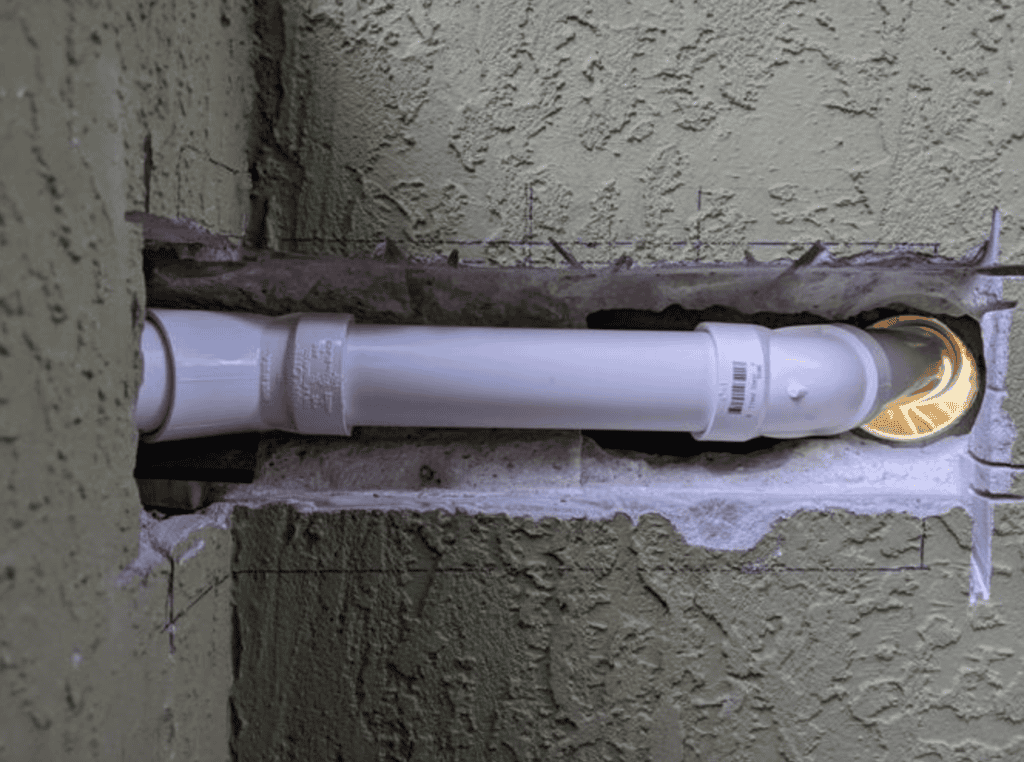
This local project shows an exterior stucco wall that required repair following plumbing work.
BEFORE: Exterior Stucco Wall Damage After Plumbing Repairs
The white stucco wall with exposed PVC plumbing pipes and the open horizontal section.
The plumbing work left an exposed section of the exterior wall that required stucco patching.
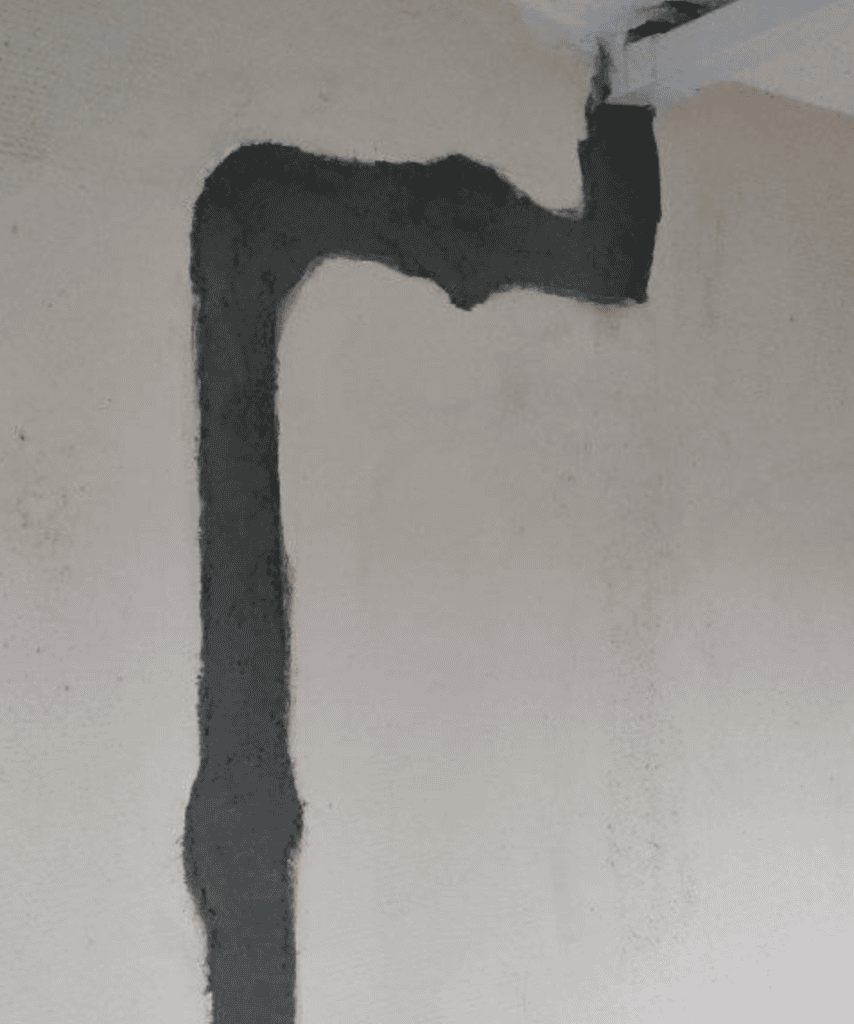
AFTER: Stucco Patching Applied to the Damaged Wall
The same exterior wall with the fresh gray stucco repair material applied.]
The damaged area was patched following the plumbing work. The photograph shows the repair material applied before the final painted finish.
This example demonstrates how a localized section of damaged exterior stucco can be repaired without replacing the surrounding wall finish.
Need similar exterior stucco wall repairs? Explore our stucco repair services in Largo, FL or call 727-291-8591 to discuss your project.
Can I Just Caulk Over Stucco Cracks and Paint the Wall?
Sometimes minor, stable surface cracks can be treated with compatible repair materials.
However, caulk and paint are not universal solutions.
If stucco is loose, a crack continues moving, or moisture is entering behind the finish, covering the surface may hide symptoms without correcting the underlying cause.
This is particularly important when preparing to repaint your home.
Repairing deteriorated stucco before painting can help prevent new coatings from covering problems that may cause the finish to fail again.
Will a Stucco Patch Match the Rest of My House?
One of the biggest concerns homeowners have about stucco patching is whether the repaired section will be obvious.
Stucco comes in different textures and finishes, and matching them requires careful application.
Professional stucco texture matching can help the repaired section blend with the surrounding wall.
However, exact matching may be difficult when existing stucco has aged, faded, or been painted multiple times.
Depending on the project, additional finishing or painting may help create a more consistent appearance.
How Much Does Stucco Crack Repair Cost in Largo, FL?
The cost of stucco repair depends on the condition of the wall, not simply the length of the crack.
A small surface patch is a different project from removing and rebuilding a larger section of loose or water-damaged stucco.
Factors affecting repair costs include:
Size and number of damaged areas
Whether the damage is superficial or extends beneath the finish
Accessibility of the repair location
Condition of the underlying concrete block or wall materials
Amount of preparation and removal required
Texture matching and finishing requirements
Whether additional painting is necessary
Wondering whether your stucco repair will be a small patch or a larger project? An assessment of the actual damage is the most useful way to determine the appropriate scope and estimate.
How Long Can You Wait to Repair Cracked Stucco?
There isn’t one deadline that applies to every stucco crack.
A small, stable cosmetic crack is different from stucco that is actively separating from a wall or showing recurring moisture stains.
However, delaying repairs can allow certain problems to become more extensive, particularly when water continues entering an affected area.
If you notice spreading cracks, recurring paint bubbles, or stucco breaking away, consider arranging an assessment rather than waiting for another rainy season.
How Can I Help Prevent Stucco Damage on My Florida Home?
Routine exterior maintenance can help you recognize problems before they become more difficult to address.
A few practical steps include:
Inspect exterior stucco walls periodically and after severe storms.
Check around windows, doors, and exterior openings.
Watch for recurring stains, peeling paint, or loose stucco.
Keep gutters and drainage systems functioning properly.
Avoid directing sprinklers continuously against exterior walls.
Address deteriorated exterior sealants when appropriate.
Investigate recurring cracks before repainting or applying waterproof coatings.
Waterproofing and sealing may be useful for certain exterior conditions, but coatings alone cannot correct every underlying moisture problem.
Frequently Asked Questions About Stucco Repair
Is it normal for stucco to crack on a Florida home?
Small cracks can develop because of curing, temperature changes, or normal building movement. However, spreading cracks, recurring damage, or cracks accompanied by moisture problems deserve closer attention.
Does cracked stucco always mean foundation problems?
No. Stucco can crack for several reasons unrelated to foundation damage. However, widening cracks, displaced surfaces, or other movement-related symptoms may require professional evaluation.
Can you repair stucco over concrete block?
Yes, depending on the condition of the underlying surface. Damaged stucco over concrete block can often be repaired locally, but loose material and any underlying moisture or movement problems need to be addressed.
Should I repair stucco cracks before painting my house?
Generally, yes. Damaged or loose stucco should be repaired, and recurring moisture problems investigated, before repainting.
Do I need to replace all my stucco if one section is damaged?
Not necessarily. Localized repairs may be possible when the surrounding material and underlying wall are in suitable condition.
When should I call a stucco repair contractor?
Consider contacting a professional when cracks are growing, patches repeatedly fail, stucco is crumbling or bulging, or moisture-related warning signs appear.
Need Stucco Crack Repair in Largo, FL? Don’t Wait for Damage to Spread.
Cracked exterior walls, bubbling paint, crumbling stucco, or recurring water stains are all reasons to take a closer look at your home’s exterior.
You don’t have to guess whether the problem needs a small patch or a more extensive repair.
Largo Stucco & Stonework provides professional stucco crack repair, exterior stucco patching, water-damaged stucco repair, and texture matching for residential and commercial properties throughout Largo and surrounding Pinellas County communities.
Call 727-291-8591 today to discuss your stucco damage and request a repair estimate.
The sooner you understand what’s causing the damage, the sooner you can make an informed decision about protecting your property.